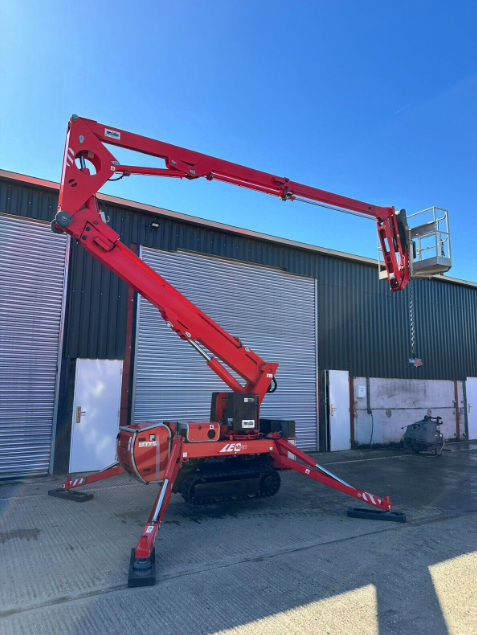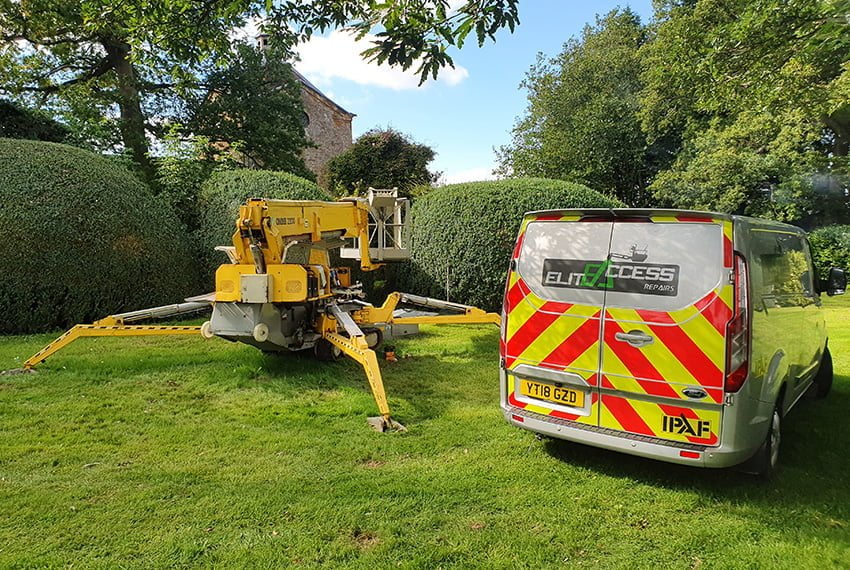


Working at height is always a risk, but keeping lifting equipment safe is one of the best ways a business can protect its investment, employees, and company reputation. The term LOLER is familiar to anyone who works on or operates a spider lift. Whilst it’s a legal requirement, it’s not always clearly explained to teams. Understanding what LOLER is, why it matters, and how it relates to day-to-day spider lift maintenance is essential for safe and compliant operation. Let’s explore what LOLER inspections mean, what is checked on a spider lift, and how regular servicing helps reduce breakdowns, downtime, and risk when working at height.
Why Safety Matters when Working at Height
Working at height carries a higher level of risk than most other tasks, which is why safety protocols and legal regulations are in place. If anything goes wrong with lifting equipment, the lives of operators and passers-by are at risk. Taking safety seriously helps reduce these risks and ensures powered access equipment performs as it should when lives depend on it. Complete training, regular servicing and thorough inspections help keep equipment safe for all.
What LOLER Actually Means
LOLER stands for the Lifting Operations and Lifting Equipment Regulations. They apply to any equipment used to lift people or loads, including spider lifts and other types of powered access equipment. LOLER exists to make sure lifting equipment is safe to use by checking its:
- Strong enough for the job
- Stable when in use
- Properly installed and positioned
- Inspected at regular intervals
For spider lift owners, LOLER is not optional. If a machine is used to lift people, it is a legal requirement that it be inspected under these regulations.
Why LOLER Inspections are Vital for Spider Lifts
Spider lifts are often used on uneven ground, in restricted-access areas, and are moved around frequently, all of which place extra strain on the machine. Over time, components wear down, and minor faults develop. A LOLER inspection focuses on safety-critical parts of the lift. It is designed to catch problems before they lead to failure. This protects the staff and the business responsible for the equipment. Without a valid LOLER certificate, a spider lift should not be used. Using non-compliant equipment puts operators at risk and can lead to serious consequences.
What is Checked During a LOLER Inspection?
A LOLER inspection is more detailed and an official record, like a vehicle MoT. Areas assessed include the boom, the pins and joints, hydraulic systems, control functions, emergency lowering systems, and the operation of safety devices. The inspector will also check load ratings, warning labels, and documentation to ensure everything is correct. Any defects are recorded, and owners are given guidance on whether the machine has passed inspection or requires repairs.
For the majority of spider lifts, LOLER inspections are required every 6 months. This applies regardless of how often the machine is used. If a spider lift is used more frequently or in hostile environments, the inspection interval may be shorter. Additional inspections may be needed after major repairs, modifications, or incidents that could affect safety.
The Key Differences Between LOLER and Routine Servicing
LOLER inspections and routine servicing are closely linked: LOLER inspections are legal safety checks, while servicing focuses on keeping the machine running smoothly and reliably. Spider lift servicing reduces the likelihood of defects being found during a LOLER inspection. A well-maintained spider lift is far more likely to pass its inspection with minimal issues, saving time and avoiding unexpected downtime. At Elite Access Repairs, our friendly team can carry out both routine servicing and LOLER inspections, ensuring that a business’s spider lift remains safe and compliant year-round.
What Happens if a Spider Lift Fails a LOLER Inspection?
Much like a car MoT, if a serious safety defect is found, the inspector may classify it as a dangerous defect. In this case, the spider lift must not be used until the issue is repaired and the machine is re-inspected. Less serious problems may be recorded as defects that need attention within a set timeframe. While the machine may still be used, ignoring these warnings increases the risk of future failure.
The Importance of Documentation and Records
Spider lift owners are required to keep the LOLER reports on hand. These records are proof that the equipment has been maintained responsibly and is compliant. Records also help identify recurring problems so they can be repaired, increase resale value, and help buyers find extensive service and LOLER records.
Who is Responsible for LOLER Compliance
Spider lift owners, whether individuals or companies, are responsible for arranging LOLER inspections. If a spider lift is hired, double-check the hire agreement, but the hire company should have LOLER inspection records. For owned equipment, ensuring inspections are booked on time is essential. Clear responsibility helps avoid missed inspections and last-minute disruptions to planned work.
Book a Spider Lift Service and Inspection Today
All in all, LOLER inspections play a vital role in keeping spider lifts safe, compliant, and reliable. When combined with regular servicing and timely repairs, they help prevent unexpected failures, reduce downtime, and protect everyone working at height. Staying on top of inspections ensures your powered access equipment performs safely every time it is used.
At Elite Access Repairs, we pride ourselves on providing thorough servicing and LOLER inspections for lifting equipment across Milton Keynes. Having your equipment maintained and inspected by the same team ensures peace of mind, knowing your spider lift is in safe hands. Get in touch today to book an inspection or to discuss spider lift repairs and maintenance. Proper support makes compliance easier and keeps your equipment working safely when it matters most.