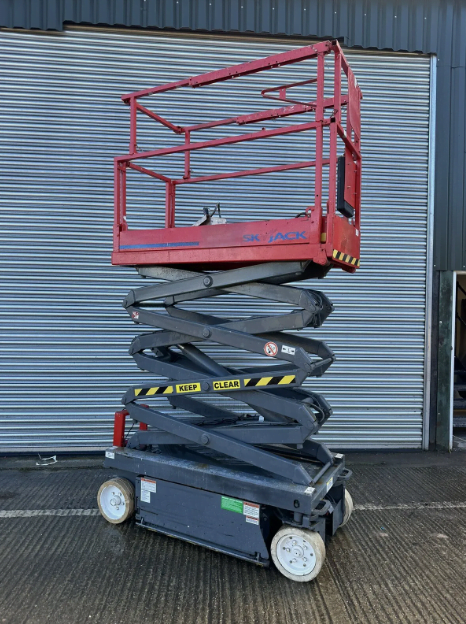


Scissor lifts are often used for working at height, but like any powered access equipment, they can develop faults through regular use, wear and tear or demanding working conditions. Issues with components such as the hydraulics, electrical systems, controls and platform can affect how a scissor lift operates and may eventually need professional attention. Recognising common issues early can help operators identify potential problems before they become more serious or lead to unexpected downtime.
Regular servicing has an important role in keeping equipment operating reliably by allowing developing faults and worn components to be identified and addressed. We outline some of the common problems that can affect scissor lifts, why they occur, and how regular servicing can help prevent them.
Common Issues Scissor Lifts Face
Scissor lifts can experience a range of problems depending on their age, usage, working environment and condition. Some faults may be relatively minor at first but can affect the machine’s performance if they are not addressed. If left to worsen, they can become much more expensive problems that take longer to fix. Understanding the types of issues that can occur can help operators recognise when their equipment may require inspection, servicing or professional repairs.
Hydraulic Problems
Hydraulic faults are among the issues that can affect scissor lift performance, especially where the machine relies on hydraulic systems to raise and lower the platform. Leaking hoses, damaged seals, low fluid levels, or worn hydraulic components can affect lifting performance and can cause the platform to operate slowly or unevenly. Hydraulic problems can become more significant if they aren’t identified and addressed, making regular inspection important.
Electrical Faults
Electrical problems can affect different parts of a scissor lift, including its controls, sensors and operating systems. Damaged wiring, loose connections, faulty switches or problems with electrical components can prevent the machine from responding correctly. Operators may notice intermittent operation, warning lights or controls that fail to work as expected. Electrical faults can sometimes be difficult to identify without specialist knowledge, making professional servicing beneficial.
Battery and Charging Problems
Battery issues can affect the performance and availability of electric scissor lifts. Batteries can naturally lose capacity over time, especially with frequent use or poor charging practices. Faults with the battery, charger or connections can result in reduced operating time or difficulties starting the machine. Regular checks can help to identify signs of battery deterioration and ensure charging systems and related components remain in suitable working condition.
Why Do Scissor Lift Problems Occur?
Regular servicing can help identify and address potential scissor lift problems before they develop into more serious faults. Servicing allows key components and systems to be inspected, helping establish whether anything is showing signs of wear, damage or deterioration. This can be especially useful for identifying issues that may not yet be affecting the machine’s performance but could cause problems if left unchecked.
During a service, important areas of the machine can be checked, including hydraulic systems, electrical components, controls and other key parts of the scissor lift. Addressing signs of wear or damage at an earlier stage may help reduce the risk of more significant faults developing and minimise unexpected downtime. Elite Access Repairs provides scissor lift servicing for a wide range of makes and models, helping businesses keep their access equipment maintained and operating reliably.
How Regular Servicing Can Help Prevent Scissor Lift Problems
Regular servicing can play an important role in identifying and addressing potential scissor lift problems before they develop into more serious faults. Servicing allows key components and systems to be inspected, helping establish whether anything is showing signs of wear, damage or deterioration. This can support the ongoing reliability and performance of the equipment while helping businesses identify issues that may otherwise go unnoticed.
Identifying Wear and Damage
Regular servicing provides an opportunity to inspect important scissor lift components for signs of wear, damage or deterioration. Hydraulic components, electrical connections, controls and other parts can be checked as part of the servicing process. Identifying issues at an earlier stage can help address them before they develop further, reducing the risk of more significant faults and unexpected equipment downtime.
Checking Key Systems
A scissor lift relies on several systems working together for the machine to operate correctly. During servicing, important systems and components can be assessed to identify potential problems affecting performance. Checks can help highlight issues with areas such as hydraulics, electrical components, controls and the lifting mechanism. Addressing developing issues can help maintain reliable operation and ensure problems are not left unnoticed.
Supporting Reliable Operation
Regular scissor lift servicing can support overall reliability, particularly when the equipment is used frequently. Servicing allows potential issues to be identified and addressed while providing an opportunity to assess the machine’s overall condition. This can help reduce the likelihood of unexpected faults disrupting work and allows businesses to maintain their access equipment in better working condition over time.
Maintaining Equipment Condition
Regular servicing provides an opportunity to assess the overall condition of a scissor lift and identify areas that may require attention. Keeping up with scheduled maintenance can help ensure components are checked at appropriate intervals rather than being left until a noticeable fault develops. This can make it easier to monitor the machine’s condition and address potential issues as part of ongoing maintenance.
Addressing Problems Early
Servicing can also help identify smaller problems before they have the opportunity to develop into more significant faults. If worn, damaged or deteriorating components are identified during an inspection, appropriate repairs can be arranged to address the issue. Taking action early may help prevent further damage, reduce the likelihood of unexpected breakdowns and minimise disruption caused by a scissor lift being unavailable.
Scissor Lift Servicing at Elite Access Repairs
Elite Access Repairs provides professional scissor lift servicing to help businesses keep their powered access equipment maintained and operating reliably. We can service a wide range of scissor lift makes and models, carrying out checks to help identify signs of wear, damage or developing faults. Alongside regular servicing, we can also provide repairs where problems are identified, helping address issues before they have a greater impact on the machine. To arrange scissor lift servicing or discuss your requirements, get in touch with Elite Access Repairs.