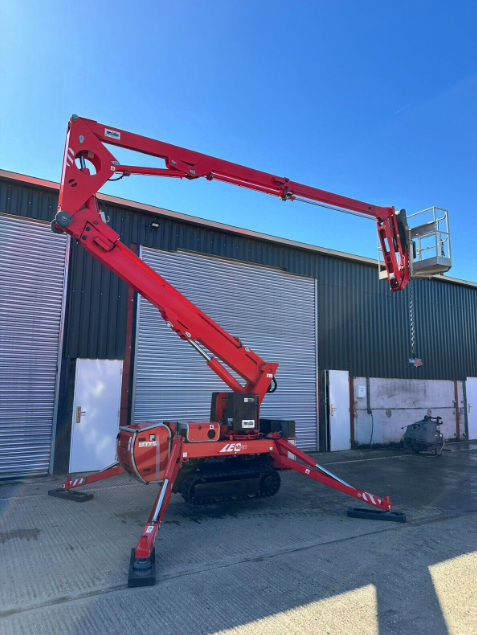


Working at height always comes with challenges, and choosing the right equipment can make a big difference to safety, project speed, and overall cost. Scaffolding has long been the go-to option, but many teams now prefer spider lifts because they offer flexibility, fast set-up, and easier access in difficult environments. For those working in maintenance, construction, tree care, or any role that relies on powered access equipment, it’s helpful to know when a spider lift will serve better than a scaffold tower. This guide breaks down the most common situations where a spider lift is the more practical choice.
A Quick Look at What Makes Spider Lifts Different
Spider lifts are lightweight, compact, and designed to reach difficult areas with minimal set-up. They fit through narrow entrances, operate on tracks, and position users directly where they need to work, without requiring a whole structure to be built around a property. Because they can move freely and can reach higher points, they’re ideal for jobs that require precision rather than long periods of access.
Fast Set-Up and Minimal Disruption
Speed is one of the biggest advantages of a spider lift. Scaffolding can take hours or even days to erect, while a spider lift can be set up and ready within minutes. This is particularly helpful for emergency jobs, short maintenance tasks, or work in busy public areas where footpaths and access points cannot be blocked for long. Businesses such as shops, schools, and offices also benefit because a spider lift allows the job to be completed quickly with far less disruption to daily operations.
Access is Tight or Restricted
Spider lifts thrive in spaces where scaffolding either won’t fit or would take too long to construct. Their compact size allows them to move through narrow gates, corridors, alleys, and internal doorways. This makes them ideal for residential gardens, courtyards, car parks with height restrictions, or industrial units where machinery or shelving restricts access. A spider lift usually provides a much easier solution for those regularly working in tight spaces.
Ground Conditions are Uneven or Delicate
Scaffolding requires flat and stable ground. If the surface is uneven, soft, or fragile, the area needs to be prepared before scaffolders can safely build the structure. Spider lifts solve this problem with outriggers that stabilise the machine even on sloped or uneven surfaces. They also spread their weight across tracks, protecting lawns, paving, and landscaped areas. For jobs in gardens, older properties, or sites with varied ground levels, this is a major advantage.
Want to Reduce Labour Costs
Using scaffolding usually means paying another company to deliver, build, and dismantle the structure. This can significantly increase the overall cost of the job. A spider lift requires far fewer people, usually just an operator and one additional person for assistance. This also avoids repeat visits from scaffolders, extra rental days, and lengthy set-up periods. For many businesses, this reduction in labour and downtime is a key reason to switch to spider lifts.
The Work Requires Mobility
Many projects involve moving around a building or accessing multiple areas in a single visit. Scaffolding is fixed, so every new section means additional construction. With a spider lift, simply reposition the machine and continue working. This makes tasks such as window repairs, roof inspections, gutter cleaning, and other building maintenance far more efficient. A mobile platform means less waiting, faster progress, and fewer interruptions.
Working Indoors or in Sensitive Environments
Spider lifts are also suitable for indoor use because they can run on electric power and are available with non-marking tracks. Their compact size means they can pass through standard doorways and operate in tight indoor spaces such as churches, sports halls, shopping centres, warehouses, or hotel receptions. Scaffolding inside these environments can be disruptive and slow to assemble, so a spider lift offers a far more practical and discreet alternative.
Safety and Stability are the Priorities
Spider lifts come with built-in safety features, including automatic levelling, overload protection, emergency descent systems, and fully guarded platforms. They offer consistent stability, even on uneven surfaces, thanks to their outriggers. Scaffolding is also safe when properly erected, but it relies on correct assembly and regular checks. A spider lift provides immediate, reliable safety without needing to assemble an entire structure first, which is a big advantage on fast-moving or complex sites.
When Weather Conditions are a Concern
Wind is a common issue for scaffolding, especially at height. While spider lifts still have safe operating limits, they can be lowered or repositioned quickly when the weather changes. They also avoid problems like loose sheeting, slippery boards, or structural movement in strong winds. This gives users more control and reduces risks when working outdoors in exposed areas or in harsh weather conditions.
Working in Urban Locations
Urban areas often present challenges such as narrow access points, limited space, and busy footpaths. In busy town centres, a spider lift is usually easier to position and safer to operate than scaffolding. It causes less disruption, takes up minimal ground space, and allows work to be completed quickly without impacting residents or passers-by.
A Cleaner, Faster Finish to the Job
Once a job is complete, a spider lift can be removed from the site within minutes. Scaffolding, on the other hand, may stay in place for days, blocking access for other trades and creating visual clutter. Spider lifts support a smoother workflow, allowing projects to finish sooner and helping businesses return to normal quickly.
Choosing the Right Access Method
Scaffolding still has value for long-term work or tasks that require extended access. But for many day-to-day repair, inspection, and maintenance jobs, a spider lift is quicker, safer, and far more convenient. If work involves tight spaces, uneven ground, multiple access points, or time-sensitive tasks, a spider lift is usually the smarter choice.
At Elite Access Repairs, we work with all types of powered access equipment and can help businesses across Croydon choose the right method for their project. From repairs and servicing to advice on spider lifts and other machinery, we can support you whenever you need expert guidance. Contact us today to get started and learn more about our range of refurbished spider lifts and our extensive ongoing care.